
Kehlani “Kehlani” Review
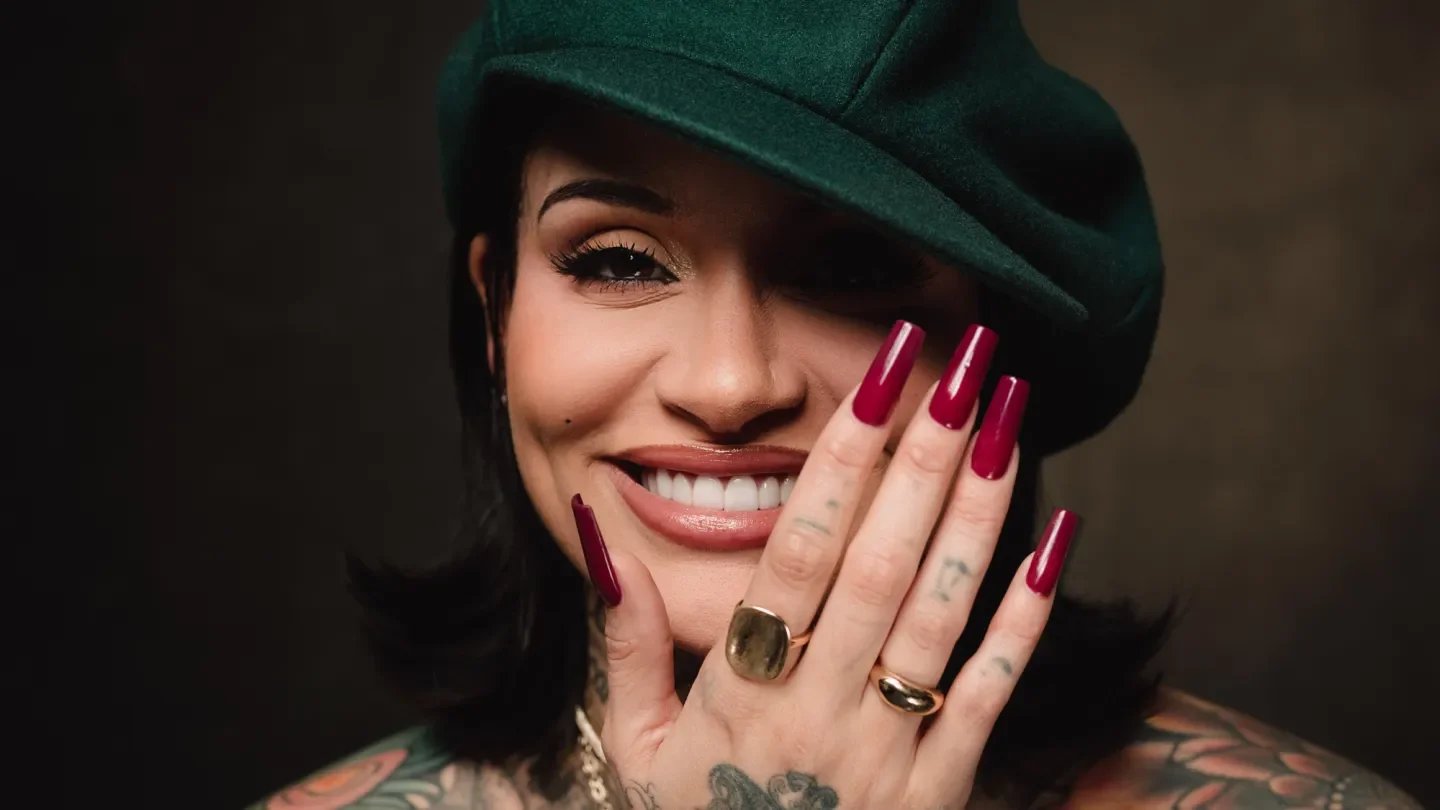
“Kehlani,” a dissertation penned in honour of R&B music that draws from the excellence of the past and dedicates itself to the dutifully crafted sounds and artistry of the genre’s key moments and pioneers.
On their eponymous fifth studio album, Kehlani retreats from the experimental lane carved out by the genre mixing “Crash,” which felt like an electrifying live show that struggled to translate into the bottled experience of a 13-track album. Although it was met with positive reviews, the opinions from fans were split and it would be of no surprise that this reaction along with the reinforcement of Folded’s success shaped the direction of this new LP.
At its core, “Kehlani” is a nostalgia driven ride through R&B which isn’t something new, we’ve heard many artists pull from the past but where Kehlani deviates from what we’ve grown accustomed to in recent years is the removal of an over-reliance on heavy and sometimes uninspired sampling. Majority of the moments we hear Kehlani invoke antiquity, it feels less like a lazy signifier and more like an intentioned student citing their references and forming a unique, supported view. If you compare “Call Me Back” to past efforts from peers such as “How You Want It?” Teyana Taylor or “Guilty” Sevyn Steeter, while all songs have merit, what instantly sets Call Me Back apart is its ability to lean into the exact feeling a 2005 T-Pain song exudes while still feeling fresh when they could’ve easily chopped and screwed a past hit like “Sprung” or mimicked a hook.
Another example is the ethereal collaboration that sees Kehlani croon alongside her idol and music royalty Brandy. “I Need You” feels like the session it was born from was a moment in total dedication to the R&B legend easily pulling from the essence of the lauded Full Moon album cut “When You Touch Me.” In this moment we see Kehlani in their master student role clearly, with background vocals so tight and reminiscent of Brandy you’d be shocked to find out she’s not present on them at all.
“What I wanted to happen on this album was I really needed all the features to feel like this joyous return to what they truly loved to do.”
Kehlani contorts and reshapes to provide a space for their collaborators to show up and shine as themselves while reliving the moments they pioneered. What’s impressive is they do this without sacrificing any of their own space to flourish still imprinting their own identity into each song with their inflections and signature vocals. Aside from the display of mastery in the genre and vocal prowess, the songwriting and production helmed by Khris Riddick-Tynes, Pop Oak and more is what seals the project, songs like Dixson penned “Still” put pensive poetry to phenomenal melody and create some of Kehlani’s most emotive offerings yet.
“I got half a mind to lose my mind
Love is war, no valentines
I don't know why the arrows fly
Inside our hearts and not our minds”
While Kehlani makes these strides with some of the album collaborators, it does feel like there is some missed opportunity to fold some more present talent into their reimagining on the best of the past. A song Like “Back And Forth” is an easy summer groove that feels like the entrance anthem walking into any R&B day party but combining that energy with an extra female voice from a fresh artist could have propelled the song from a groove to a new cross-generational anthem.
“Shoulda Never” is an instance where the callback feels heavy handed, the Usher rap comes across as an outmoded, on the nose moment as if someone is yelling at them to “do the thing.” Usher almost presents as a caricature of himself on this song, with moments like How Do I Say and Love You Gently in Ushers back pocket, it feels like they played it safe instead of pushing for a truly great meeting of genius. It leaves you wondering whether Usher has more to give, or if this is simply where he is now.
Outside of this the only other notable misstep on this album is it’s padding with tracks that can feel redundant. Another Lover and No Such Thing both standalone as great songs but when placed one after the other at the beginning of the album, one makes the other feel like a false start. Pocket whether good or bad feels unnecessarily placed on the album and Lights On feels like the underwhelming extension of a timeless interlude you begged for and realised you could live without.
Kehlani’s self-titled offering is perfectly named, they show up as an assured artist with a clear view of what they intend to create and say supported and informed by the past and their predecessors. While they could achieve the same if not more success lowering the song count, it ultimately doesn’t detract from the foundations they have laid with this stellar project.
4.5/5